If you’ve found yourself asking whether DeepSearch citations hold up in professional settings, you’re not alone. With so many AI research tools promising quick answers but often skirting quality or transparency, the question becomes: can we rely on these citations when the stakes are real? In this post, I’ll break down the core issues around DeepSearch source quality, how to verify citations workflow, and why the difference between x posts vs publishers matters.
Getting Real About Pricing and Plan Tiers
First things first: let’s clear pricing out of the way because no one likes hidden ceilings or catches in “unlimited” plans. DeepSearch offers multiple pricing tiers, typically ranging from a free introductory version to paid plans that unlock better data access and research features.
To put some perspective, consider SuperGrok, a comparable AI-driven research assistant from the same parent company as Grok and xAI’s experimental tools. SuperGrok starts at $30/month — that’s $360 annually if you pay month-to-month without discount. (Do the math: $30 x 12 = $360.) This plan brings you reasonably robust access but definitely some caps on query volume and simultaneous tasks.
Tool Plan Monthly Price Annual Price Equivalent Key Limits DeepSearch Pro $25 $300 500 searches/mo, up to 3 concurrent projects SuperGrok Standard $30 $360 Unlimited keyword alerts*, 200 searches/mo xAI Grok Beta Access Free–Invite only Free Limited query volume, experimental features*The “unlimited” is flagged here because, inevitably, “unlimited” keyword alerts often come with usage rate limits or fair use policies that throttle activity.
Real-Time X Data: DeepSearch’s Main Differentiator
One of the xAI API credits $175 big selling points for DeepSearch is its ability to surface real-time, dynamic data from X—formerly known as Twitter, a platform where the news cycle breaks first and fast. This is your edge when you want up-to-the-minute insights without manually scouring hundreds of posts or official press releases.
That capability sets DeepSearch apart from traditional publisher-focused tools which often lag by hours or days. But here’s the catch: X is a noisy place.
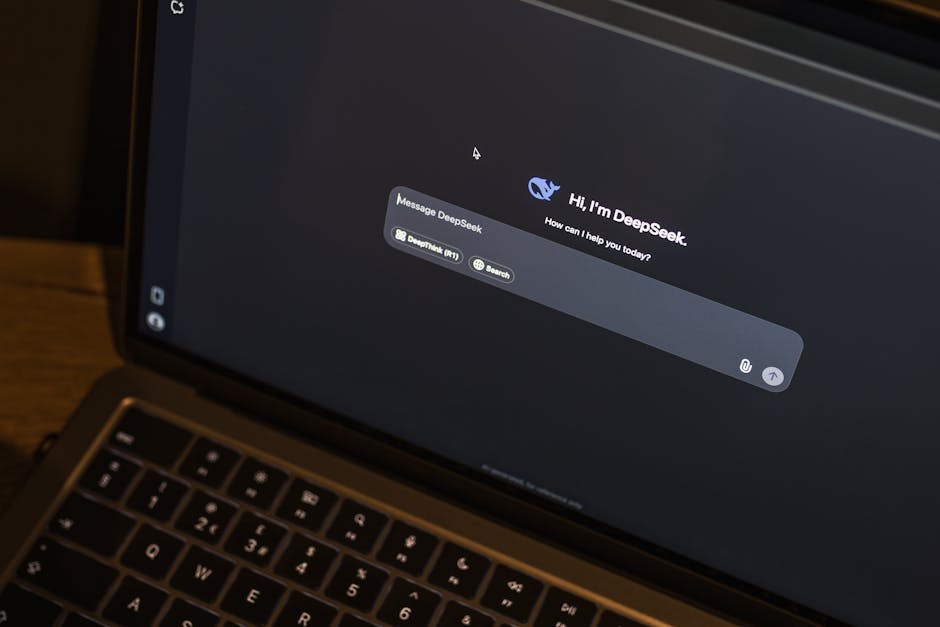
- X posts vs publishers: Tweets—even from verified accounts—are not always vetted or substantiated sources. Scholars, journalists, and executives often treat them as leads, not final citations. Source quality and verification: DeepSearch aggregates these posts, but verification workflows matter if you want to use those citations in formal reports or client deliverables.
The DeepSearch Research Workflow and Its Limits
Your typical DeepSearch workflow looks like this:
Input your query in natural language or keywords. DeepSearch scours news, X, and some indexed publisher archives for relevant snippets. Results come with cited sources and timestamps. You can drill down to view original posts or publication links.This streamlined workflow sounds great — but there are (unavoidable) limits:
- Search caps: Even paid plans limit your monthly result sets to prevent abuse or oversaturation. Expect around 200-500 searches per month depending on your tier. Source mix varies: It’s predominantly X posts plus a smattering of publishers with paywalled or subscription-based archives often missing. Context loss: Tweets and quick news can lack in-depth analysis needed for thorough research, so treat them as a starting point.
In contrast, tools like SuperGrok (at $30/month) offer “Big Brain mode” which provides enhanced context extraction but also come with their own limits — such as slower query response times or limited concurrent queries.
Big Brain and Think Mode Tradeoffs: When More Isn’t Always Better
Big Brain mode in SuperGrok and Think Mode in DeepSearch both try to boost your signal-to-noise ratio by layering in AI-generated summaries, cross-referenced facts, and confidence indicators. Here's a story that illustrates this perfectly: was shocked by the final bill.. Sounds perfect, right?
Here’s what you need to know:
- Slower responses: The deeper analysis these modes perform means queries take longer to return results—usually a few extra seconds but can be up to 30 seconds for complex topics. Higher costs: Many plans treat these modes as premium add-ons. You may pay upwards of 20-30% more per month or exhaust your monthly query limit faster. AI hallucinations: The model’s confidence doesn’t guarantee correctness—always check against primary sources before citing.
In practice, these modes are fantastic for brainstorming or exploratory phases but less suited for final deliverables without manual verification.
Verify Citations Workflow: Don’t Trust Blindly
Given the blend of X posts, publisher feeds, and AI summarizations, a solid verification workflow is crucial:
Check original sources: Always click through to the original tweet or published article. Look for author credentials, publication date, and corroborating coverage. Cross-check facts: Use alternative sources such as press releases, official statements, or other publisher archives. Watch for misinformation: X is rife with rumors and speculation, so look for signals like verified accounts or reputable outlet citations. Log your verification steps: Document your checks for audit trails and transparency, particularly for compliance or client-facing work.In short, DeepSearch citations can be trusted if you do your homework. They are a starting point — not the final word.

Who DeepSearch and Its Competitors Are Actually For
Let’s be clear about who benefits most from these tools:
- Fast-paced analysts and strategists: Professionals who need real-time pulse checks on emerging news or social sentiment. DeepSearch’s live X data is ideal here. Research teams with moderate budgets: At $25-30/month for pro tiers like DeepSearch Pro or SuperGrok Standard, you get solid access without enterprise pricing. Exploratory researchers: Those using AI modes like Big Brain or Think Mode for initial hypothesis generation before deep dives.
Conversely, if you require fully vetted, peer-reviewed citations for academic or compliance reasons, these tools cannot replace traditional publisher databases or direct archival subscriptions.
Final Thoughts: Trust, But Verify
DeepSearch brings valuable real-time X data to your research toolkit, at a fair price point compared to xAI’s Grok or SuperGrok. However, the source quality varies, and the verify citations workflow is not optional—it’s integral.
Remember to factor your monthly pricing against your annual budget (e.g., $30/month SuperGrok means $360/year) and be wary of unlimited claims with hidden limits. Use AI-enhanced modes like Big Brain thoughtfully, balancing speed, cost, and accuracy.
Bottom line: DeepSearch citations can be trusted for work—but only if you don’t treat AI outputs as gospel and maintain rigorous human oversight.